
Petty (Utility Knife): Compact Control for Precise Prep
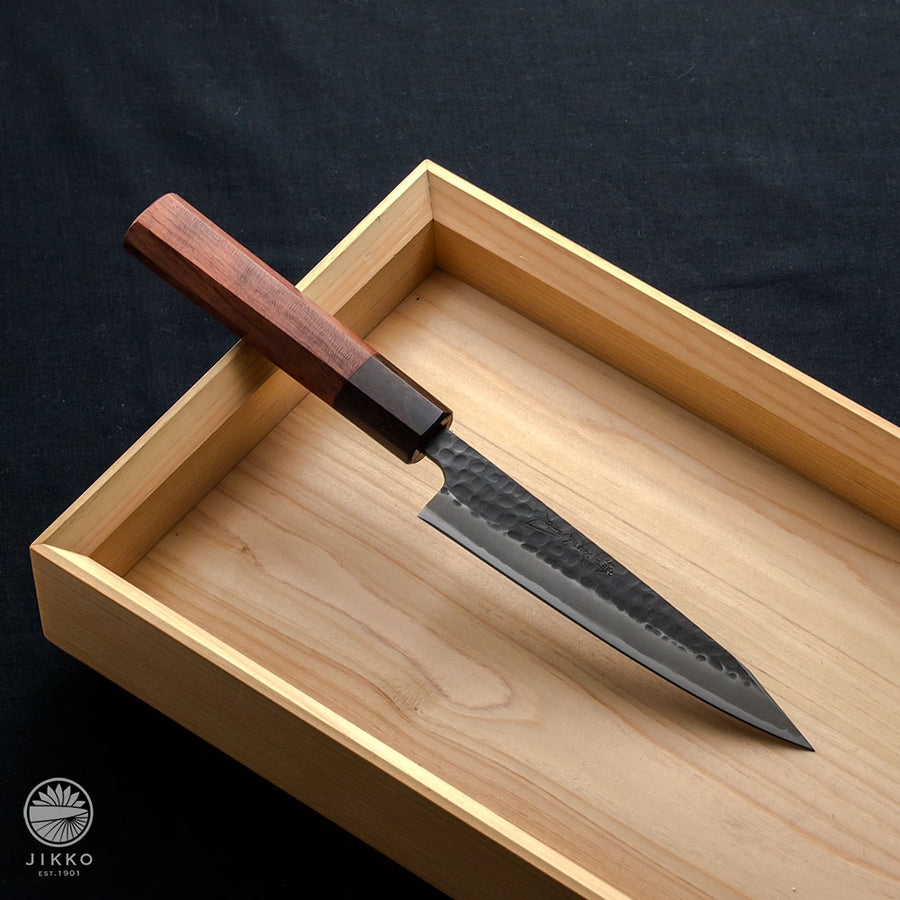
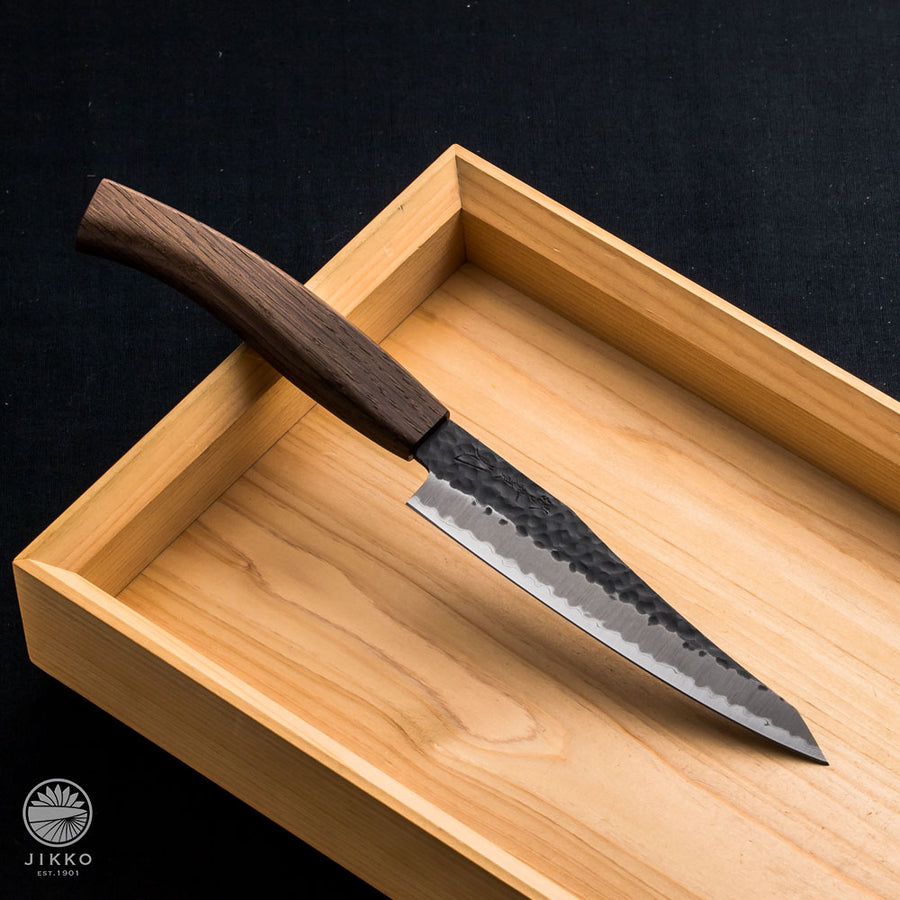
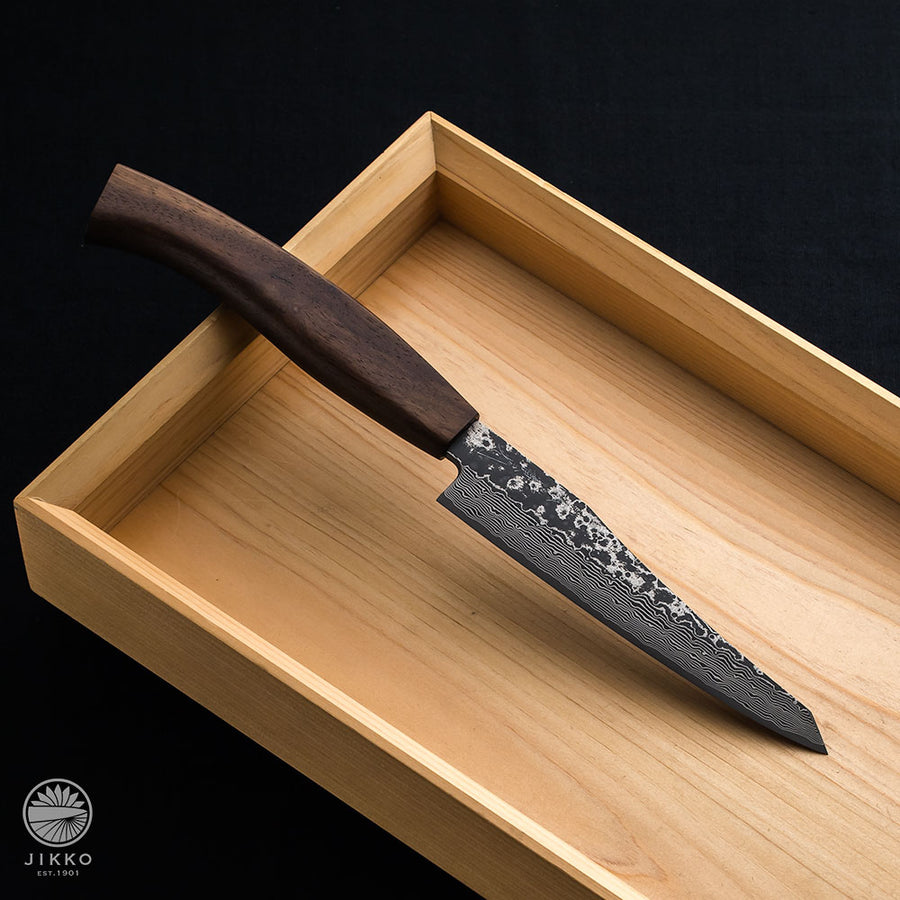
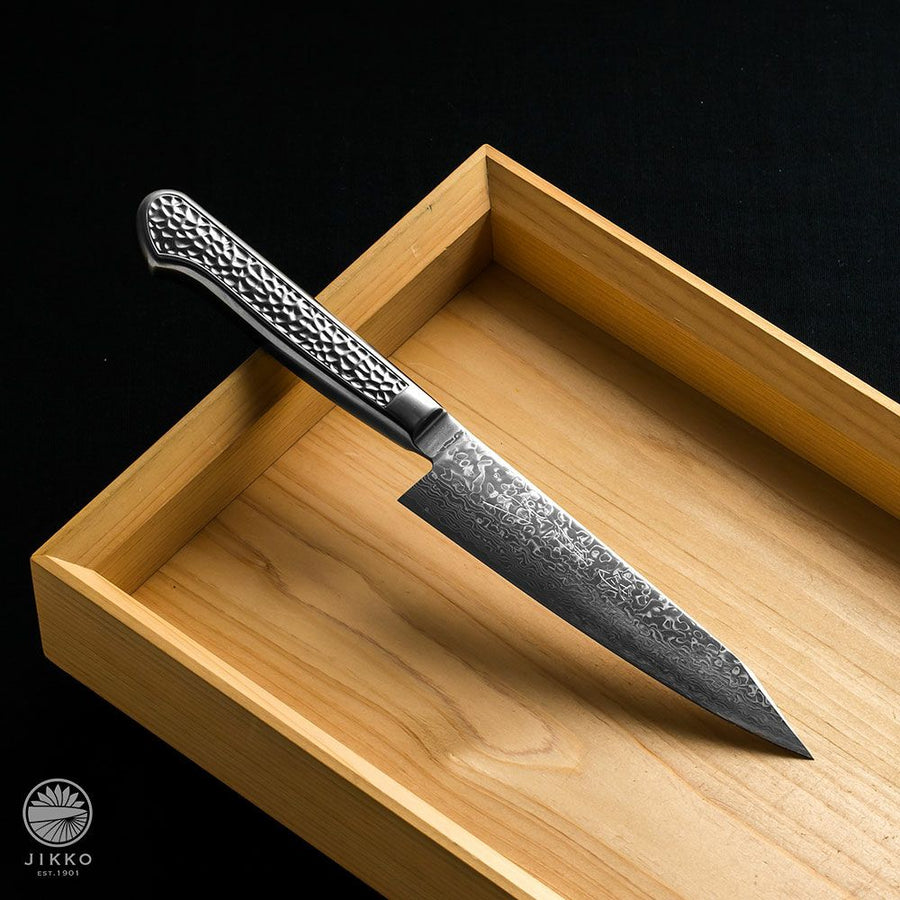
With a compact double-bevel blade and a fine, narrow tip, the Petty excels at trimming, peeling, paring, and detailed garnishing—both in-hand and on the board. Its balanced profile keeps cuts clean and controlled, perfect for fruits, herbs, and small vegetables.Why JIKKO for Petty?

Precision Cutting for Fine, Everyday Tasks
JIKKO’s Petty knives provide excellent control for peeling, trimming, garnish work, and detailed cuts—ideal for both home cooks and professional chefs.

Quality You Can Feel in Every Detail
Each knife is carefully finished for sharpness, consistency, and smooth handling, reflecting JIKKO’s dedication to precision and trustworthy craftsmanship.

Beautiful Design Paired with Everyday Ease of Use
Refined aesthetics and a comfortable, well-balanced feel make the Petty both visually appealing and effortless to use for quick, precise tasks.

A Trusted Brand with 120+ Years of Expertise
With over a century of knife-making in Sakai, JIKKO delivers long-lasting reliability, proven quality, and dependable support.
How to choose a knife
Blade Length

Select point
The most practical blade length is 120–130mm, ideal for fruit, small ingredients, and peeling.
For more versatility, a slightly longer 150mm blade is also recommended.
Blade Material
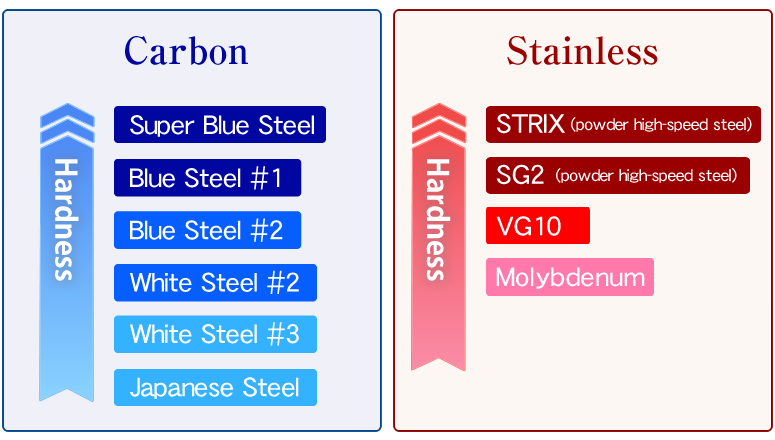
Types of Steel for Kitchen Knives
This list categorizes different types of steel used in kitchen knives. The steels at the top of each list offer the best sharpness and edge retention.
Handle type
Wa-handle

Round or octagonal shapeWood is commonly used
Yo-handle

Ergonomically designed shapeVarious materials used
Select point
◾️Consider grip comfort
◾️Check balance sensation
◾️Maintenance requirements
Knife Maintenance
| Steps | Stainless Steel Knives(Rust-resistant) | Carbon Steel Knives(Prone to rust) | Icons |
| 1. Cleaning Method | Gently wash with a soft sponge and neutral detergent | Gently wash with a soft sponge and neutral detergent |  |
| 2. Remove Moisture | Wipe thoroughly with a cloth or paper towel | Wipe thoroughly with a cloth or paper towel |  |
| 3. Drying | - | Pour hot water over the blade for quick drying |  |
| 4. Light Oil Coating | - | Apply a very thin layer of vegetable oil (avoid overapplication) |
 |
| 5. Storage | Store in a dry knife stand or holder | After oiling, place in a knife stand or storage box |  |






Frequently Asked Questions
Features and Uses of Petty Knives
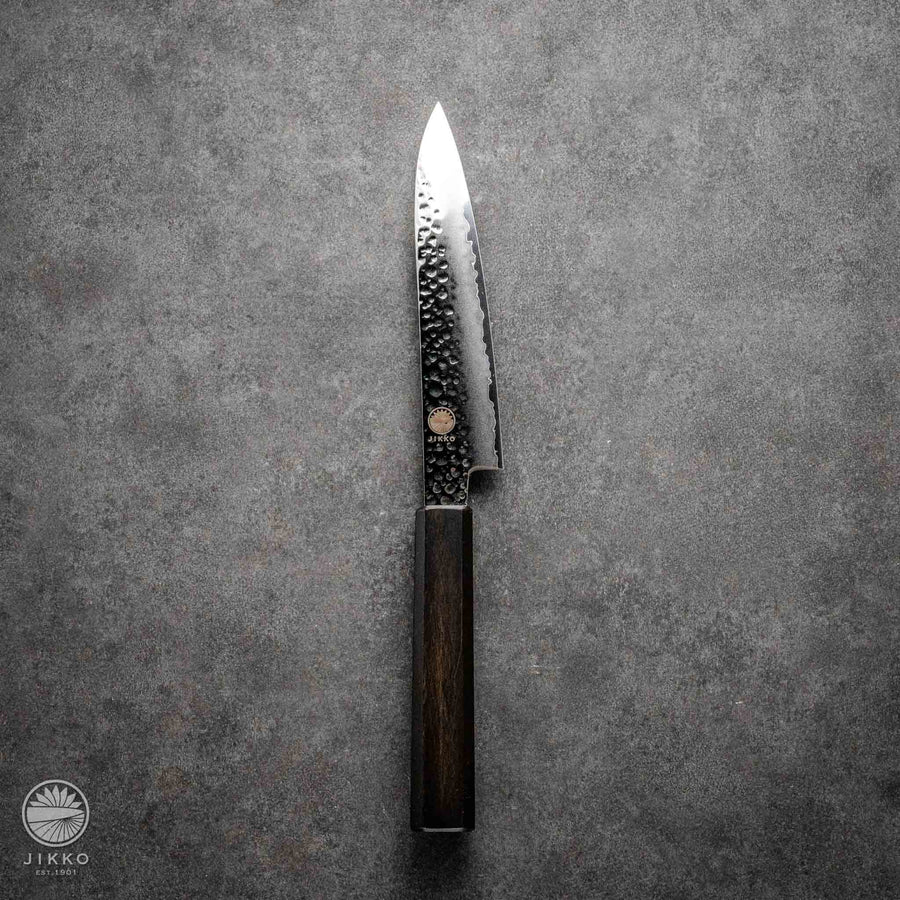
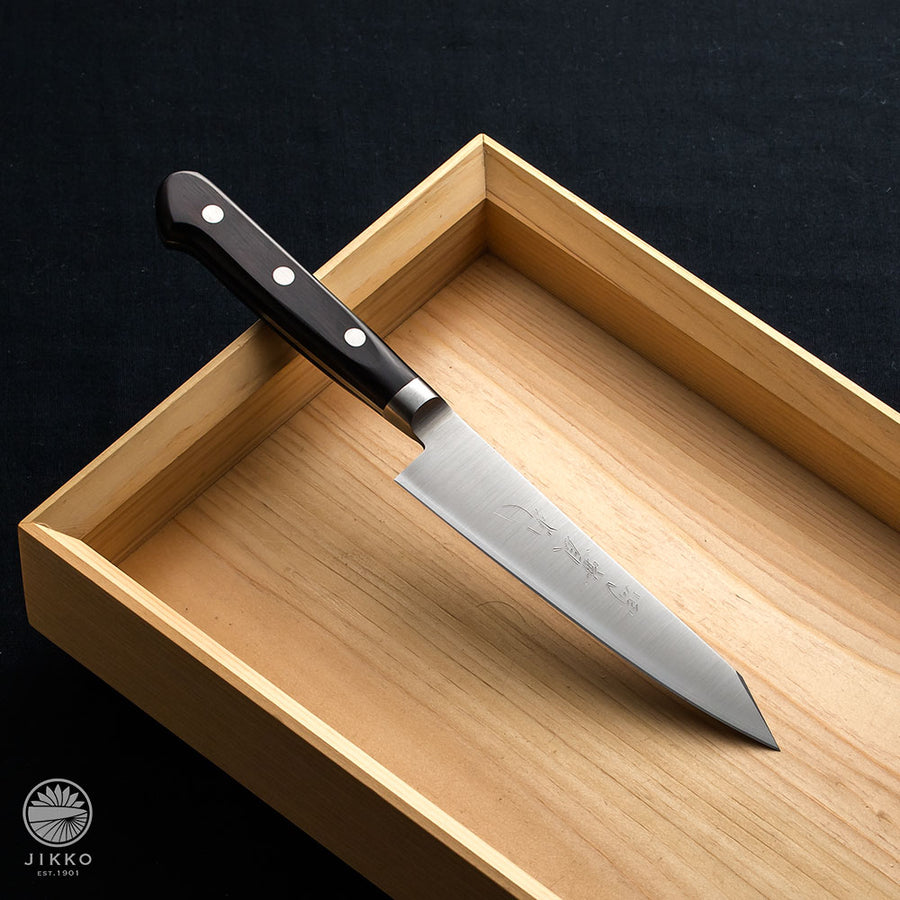
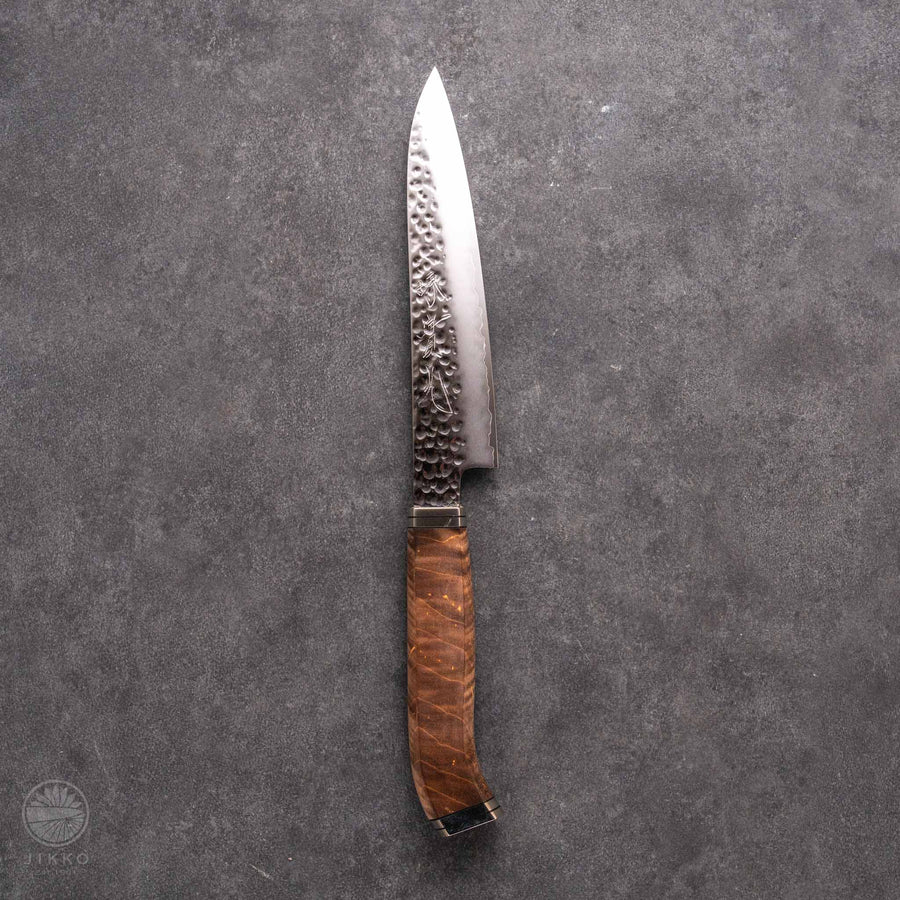
The Petty knife is a small, versatile knife with a blade length of 90mm to 150mm, ideal for peeling fruits, cutting vegetables, and precision tasks.
Petty knives are perfect for peeling fruits, cutting small vegetables, making decorative cuts, and other delicate kitchen tasks.
Petty knives are small and designed for precision tasks, whereas Santoku knives are larger and suitable for chopping, slicing, and dicing various ingredients.
A Petty knife is more versatile than a paring knife, featuring a longer blade that allows for slicing, peeling, and finer cuts beyond fruit preparation.
Choosing the Right Petty Knife
The most common sizes range from 90mm to 150mm. Choose based on your hand size and the tasks you intend to perform.
Stainless steel is easy to maintain and rust-resistant, while carbon steel offers superior sharpness but requires regular upkeep.
Petty knives come with wooden handles for a natural grip, resin handles for durability, and stainless steel handles for hygiene.
A stainless steel Petty knife with a 120mm blade is ideal for beginners due to its easy maintenance and versatility.
Using and Maintaining a Petty Knife
Due to its small and lightweight design, a Petty knife is ideal for peeling, slicing small fruits and vegetables, and precision cuts.
Wash and dry immediately after use. Even stainless steel knives can develop rust if left wet for long periods.
Regular sharpening with a whetstone will help maintain the knife’s precision. The sharpening technique varies based on blade material.
Avoid using it on hard ingredients, always use a proper cutting board, and store the knife safely after use.
Alternative and Complementary Knives
A paring knife or a small Santoku knife can serve as substitutes, but a Petty knife is better suited for precision tasks.
A larger knife like a Gyuto or Santoku complements a Petty knife well, covering both large and small cutting tasks.